Stain Removal in Freezywater: Practical Methods, Local Know-How, and Long-Lasting Results
Why Stain Removal in Freezywater Matters for Homes and Businesses
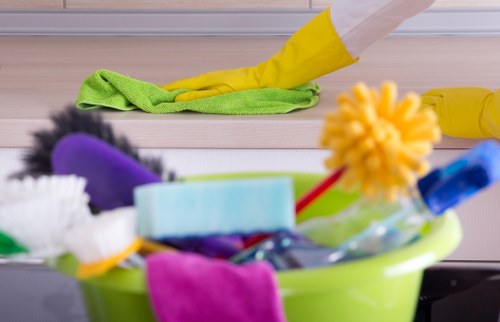
Stain removal in Freezywater is about more than making a carpet, sofa, or garment look better. It is about protecting fabrics, preserving property value, and keeping everyday spaces fresh, hygienic, and welcoming. Whether a red wine spill lands on a dining chair, mud gets tracked across a hallway rug, or a coffee stain marks an office carpet, quick action and the right approach can make a major difference.
Freezywater properties often face a mix of everyday household stains, seasonal dirt, and work-related marks that build up over time. Because of that, stain removal in Freezywater needs to be handled with care and attention to the type of surface involved. What works on cotton may damage wool; what lifts a food stain from upholstery may spread a greasy mark on carpet. That is why understanding stain type, fabric type, and treatment method is so important.
For many residents and businesses, the goal is not simply to hide the problem but to restore surfaces properly. Effective stain removal can improve appearance, extend the life of materials, and reduce the need for replacement. In a busy household or commercial setting, that means less stress, less waste, and better long-term value.
Understanding the Most Common Stains in Freezywater

Before choosing a treatment, it helps to identify the stain. Stain removal in Freezywater is often most successful when the issue is approached quickly and correctly. Different stains behave differently, and some sink deeper into fibres than others. Knowing what you are dealing with helps avoid making the stain worse.
Common stains seen in Freezywater homes and workplaces include food spills, drink marks, pet accidents, makeup, ink, grease, paint, mud, and general wear-related discolouration. Each one needs a different strategy. For example, a protein-based stain like milk or blood should not be treated the same way as an oil-based stain such as cooking grease or lotion.
Temperature also matters. Hot water may set certain stains, especially if they contain protein or tannin. Likewise, rubbing too hard can push the stain deeper into the fibres. A more careful, targeted stain removal method usually delivers better results and protects the fabric underneath.
Typical Stain Types Found in Local Properties
- Food and drink stains: tea, coffee, wine, sauces, fruit juice, and fizzy drinks
- Grease and oil stains: cooking oils, cosmetics, salad dressing, and machinery residue
- Organic stains: pet accidents, mud, grass, blood, and sweat marks
- Ink and dye stains: pens, markers, printed materials, and transferred colour
- Construction and household stains: paint, plaster, adhesive, and dust buildup
How Stain Removal in Freezywater Works on Different Surfaces
Stain removal in Freezywater is not a one-size-fits-all task. Carpets, rugs, upholstery, curtains, mattresses, and clothing each react differently to moisture, pressure, and cleaning agents. A good result depends on matching the technique to the material. This is why careful inspection is always the first step.
On carpets, stains often sit both on the surface and deeper within the pile. That means surface blotting may help at first, but deeper treatment is usually needed for complete stain removal. Upholstery can be even more delicate because cushions, stitching, and foam layers can trap liquid. If a cleaner uses too much water, it may cause staining rings, fabric distortion, or lingering odours.
For clothing and washable fabrics, stain removal can be easier, but timing is crucial. Fresh stains are generally simpler to remove than old ones. Once a stain dries or is exposed to heat, it can bond more firmly to the fabric. That is why many people in Freezywater prefer to act quickly or seek professional support before the stain becomes permanent.
Why Fabric Type Changes the Cleaning Method
Different fibres respond differently to cleaning products:
- Cotton: usually durable, but can still absorb pigment quickly
- Wool: sensitive to heat and harsh chemicals
- Microfibre: may show water marks if over-wet
- Synthetic fibres: often resistant, but can trap oily residues
- Silk and delicate textiles: need specialist handling
DIY Stain Removal in Freezywater: What Helps and What Hurts
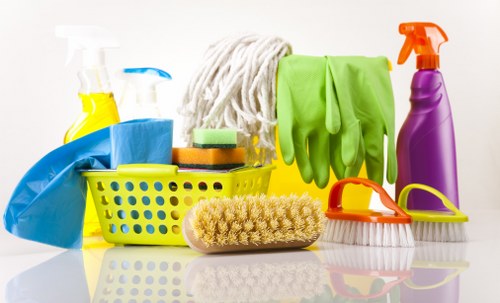
Many people try DIY stain removal first, and in some cases, that is a sensible move. A fresh spill on a washable item may respond well to blotting, mild detergent, and cool water. However, not every home remedy is safe. In fact, some common mistakes can make stain removal in Freezywater harder instead of easier.
One of the biggest errors is rubbing aggressively. Rubbing spreads the stain, frays fibres, and pushes colour deeper into the material. Another frequent mistake is using the wrong chemical combination. Mixing household cleaners can be dangerous and may also damage fabrics. It is safer to use a method that is matched to the stain type and the surface.
Simple, careful action often delivers the best DIY outcome. Blotting with a clean white cloth, testing any solution on an hidden area, and working from the outside of the stain inward can all help. Yet if the stain is large, old, greasy, or on a delicate fabric, professional stain removal is usually the better choice.
Safer First-Aid Steps for Fresh Stains
- Blot the spill gently with a clean cloth.
- Avoid rubbing, scrubbing, or pressing hard.
- Use cold water for many common stains unless the fabric label says otherwise.
- Test any cleaning solution in a discreet area first.
- Stop if the stain begins to spread or the fabric changes texture.
Important: if a stain involves bleach, solvent, ink, or unknown chemicals, it is best to avoid experimenting. Professional stain removal in Freezywater can prevent further damage and save the item.
Professional Stain Removal in Freezywater: What to Expect

Professional stain removal in Freezywater is designed to treat stains more accurately and more safely than general cleaning. A trained specialist will usually begin by assessing the stain, the fabric, the age of the mark, and any prior cleaning attempts. This assessment is essential because the wrong treatment can set a stain permanently or weaken the material.
Professionals often use a combination of targeted pre-treatment, controlled extraction, and fibre-safe products. For carpets and rugs, this may include specialist spotting agents, hot water extraction where appropriate, and careful rinse processes. Upholstery stain removal may involve low-moisture systems and fabric-safe formulas that break down the stain without saturating the material.
Another major advantage is equipment. Specialist stain removal in Freezywater may use advanced tools that reach deeper into fibres than domestic products can. This can be especially helpful for older stains, embedded dirt, and odours that remain after a visible mark is removed. The result is often a cleaner, fresher, and more even finish.
Benefits of Choosing a Professional Service
- Better stain identification for accurate treatment
- Reduced risk of damage to carpets, upholstery, and clothing
- Improved deep cleaning beyond the surface mark
- Faster results with fewer repeat attempts
- Longer fabric life through proper aftercare
Common Challenges in Stain Removal in Freezywater
Not every stain disappears in one attempt. Some marks are especially stubborn, and stain removal in Freezywater can become more challenging when the spill has dried, oxidised, or been treated with the wrong product first. This happens often with tea, coffee, red wine, grease, and ink, all of which can leave a visible shadow even after the main stain has been lifted.
Another challenge is residue. Some cleaning methods remove the colour but leave behind soap residue that attracts new dirt. Over time, this can create a darker patch that looks like the stain has returned. That is why proper rinsing and extraction matter just as much as the initial cleaning stage.
Odour is also a common issue, especially when dealing with pet accidents, damp spills, or organic matter. In these cases, successful stain removal in Freezywater should address both the mark and the smell. A surface that looks clean but still smells unpleasant is not truly restored.
Why Old Stains Are Harder to Remove
Old stains may have:
- bonded deeply with the fibres
- changed colour due to oxidation
- been exposed to heat or sunlight
- spread into padding or underlay
- left behind sticky residue that attracts dirt
For these reasons, faster action usually brings better outcomes. The sooner stain removal starts, the more likely the item can be restored effectively.
Stain Removal in Freezywater for Carpets and Rugs
Carpets and rugs are among the most commonly affected items in homes and workplaces. Because they cover large areas and are walked on daily, they attract spills, dust, grit, and accidental staining. Stain removal in Freezywater for carpets requires patience, the right chemicals, and a clear understanding of fibre construction.
Wool carpets, for example, need gentler treatment than many synthetic carpets. Natural fibres can be more sensitive to pH, moisture, and strong detergents. Meanwhile, synthetic carpets may tolerate stronger cleaning but still need careful handling to avoid colour loss or sticky residue. Rug stain removal also needs extra caution when the rug is handmade, antique, or dyed with natural pigments.
A strong result often depends on acting in stages: identify the stain, apply a suitable pre-treatment, lift as much residue as possible, and finish with a thorough rinse or extraction. This structured approach helps prevent a stain from reappearing after drying.
Helpful Carpet Stain Removal Tips
- Act quickly after a spill.
- Blot rather than rub.
- Use only stain-safe products for the carpet type.
- Avoid over-wetting the area.
- Let the carpet dry fully to reduce wicking and reappearance.
Upholstery and Furniture Stain Removal in Freezywater
Furniture is often exposed to daily spills, body oils, dust, food crumbs, and pet contact. Upholstery stain removal in Freezywater requires special care because sofas, armchairs, dining chairs, and fabric headboards can all react differently to moisture and pressure. What looks like a simple surface stain may actually extend into the cushion filling.
Leather and faux leather also need tailored treatment. A water-based cleaner may be too harsh for some leather finishes, while greasy marks can spread if cleaned incorrectly. This is why upholstery stain removal often begins with fabric testing and a close look at the manufacturer’s care label. If the wrong method is used, the result can be fading, water rings, or damaged seams.
Professional upholstery care can also help preserve appearance over time. Regular stain removal in Freezywater for furniture prevents build-up, keeps colours brighter, and reduces the chance that old marks will become permanent. In homes with children or pets, this can make a noticeable difference to overall cleanliness.
Best Practices for Sofas, Chairs, and Cushions
- Check the cleaning code on the fabric label.
- Test products on a hidden area.
- Blot spills immediately.
- Use minimal moisture where possible.
- Allow full drying before use.
Clothing and Fabric Stain Removal in Freezywater
Clothing stain removal is another area where fast action matters. Food, drink, makeup, grass, and sweat marks are common on everyday clothing, workwear, and special garments. Stain removal in Freezywater for clothing is often most effective when the stain is treated before washing and before heat is applied.
Heat from a tumble dryer or iron can permanently set many stains. That is why items should be checked carefully before drying. If a stain remains visible after washing, it is better to treat it again rather than apply heat and hope for the best. Once the stain is fixed into the fabric, removal becomes much more difficult.
Delicate clothing may require specialist cleaning, especially if the material is silk, wool, lace, or embellished fabric. In those cases, a cautious approach helps protect the garment and improve the chance of successful stain removal.
Clothing Stain Removal Essentials
- Pre-treat stains before washing when safe to do so
- Use the correct wash temperature for the fabric
- Inspect clothing before drying
- Avoid harsh scrubbing on delicate textiles
- Seek specialist help for valuable or fragile items
How Seasonal Conditions Affect Stain Removal in Freezywater
Weather and seasonal changes can influence how stains behave. In wetter months, mud and outdoor dirt are more common. In warmer periods, food spills, sweat marks, and drink stains tend to increase. This means stain removal in Freezywater often follows seasonal patterns, especially in family homes, rental properties, and busy commercial settings.
Humidity can slow drying and encourage odours if moisture is left in carpets or upholstery. Cold weather can also affect drying time, making it important to ventilate rooms properly after cleaning. A stain may appear removed, but if the item dries slowly or unevenly, a faint shadow may remain. Careful drying is therefore part of proper stain removal, not an optional extra.
For businesses, seasonal foot traffic can bring extra staining risks through wet coats, outdoor footwear, and increased visitor numbers. In these situations, regular maintenance and spot cleaning support better long-term results and keep interiors looking professional.
Seasonal Stain Risks to Watch For
- Mud and salt residue in winter
- Grass and pollen in spring
- Drink and sweat marks in summer
- Food spills and indoor dirt in autumn
Choosing the Right Stain Removal Approach in Freezywater
Choosing the right method starts with honesty about the stain and the surface. If the stain is small and fresh, a careful DIY attempt may be enough. If it is old, large, or on a delicate item, expert stain removal in Freezywater is likely to be the smarter option. The best decision is the one that protects the item while delivering a visible improvement.
It is also worth thinking about the value of the material. A low-cost mat or old t-shirt may not justify specialist treatment, but a high-quality carpet, favourite sofa, or important work uniform often does. Time matters too. A quick professional response can prevent permanent marking and save money in the long run.
For households and businesses alike, keeping a stain removal plan in place is useful. That might include immediate blotting supplies, approved cleaning products, and a clear decision about when to stop and call in help. With the right approach, stain removal in Freezywater becomes more predictable and far less stressful.
Book your service now if you want a cleaner result, less risk of damage, and a fresher finish that lasts. Contact us today to take the next step toward restoring your carpets, upholstery, or fabrics.
Preventing Future Stains in Freezywater Homes and Workspaces
Good stain removal is only part of the picture. Prevention helps reduce repeat problems and keeps surfaces looking better for longer. In Freezywater, where busy routines can lead to accidental spills, simple habits can make a real difference.
Using mats at entrances, applying fabric protection where appropriate, and cleaning spills immediately can all reduce the severity of staining. Regular vacuuming also helps because dirt particles can combine with liquid spills and make a stain harder to remove later. In workplaces, spill-ready stations and clear cleaning procedures can support faster response times and cleaner interiors.
Ultimately, stain removal in Freezywater works best when paired with prevention. A few careful routines can save hours of cleaning later and reduce wear on carpets, sofas, and clothing.
Prevention Tips That Help
- Use door mats and shoe-free zones where practical
- Clean spills immediately with the correct method
- Keep safe blotting cloths and paper towels nearby
- Protect upholstery in high-use areas
- Schedule regular deep cleaning before stains build up